Understanding Sandstone Trail Difficulty
Not all trails in the labyrinth are the same. Learn how to read terrain difficulty, what to expect at each level, and how to choose a route that matches your fitness.
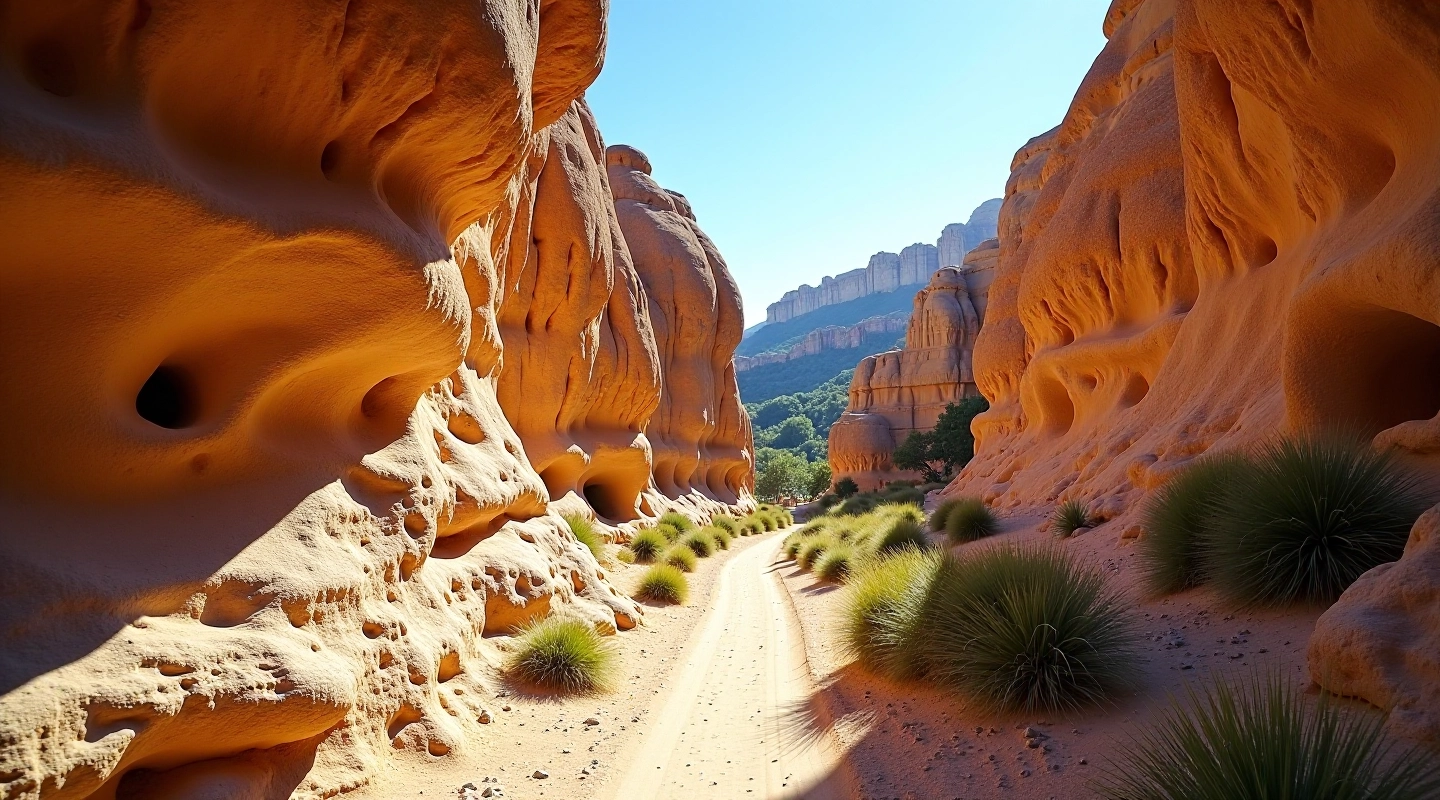
Explore the Adršbelvedge sandstone labyrinth on foot. Discover hidden passages, dramatic rock formations, and stunning photography opportunities.
The sandstone rocks of Adršbelvedge aren't just beautiful — they're genuinely challenging to navigate. Our guides know every trail, every shortcut, and every viewpoint worth stopping for. Whether you're hiking for fitness, photography, or pure adventure, we've got guides who understand what you're after.
Articles and guides to help you prepare, understand the terrain, and make the most of your visit
Not all trails in the labyrinth are the same. Learn how to read terrain difficulty, what to expect at each level, and how to choose a route that matches your fitness.
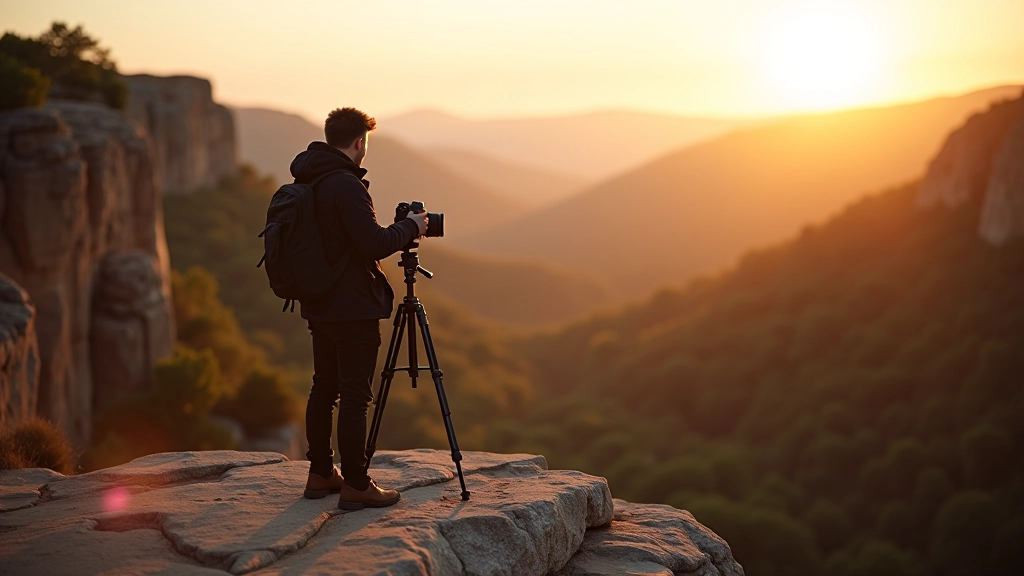
Where the light hits best, which angles show off the rock formations, and how to time your visit for dramatic shadows and color. We share the spots our photo guides use most.
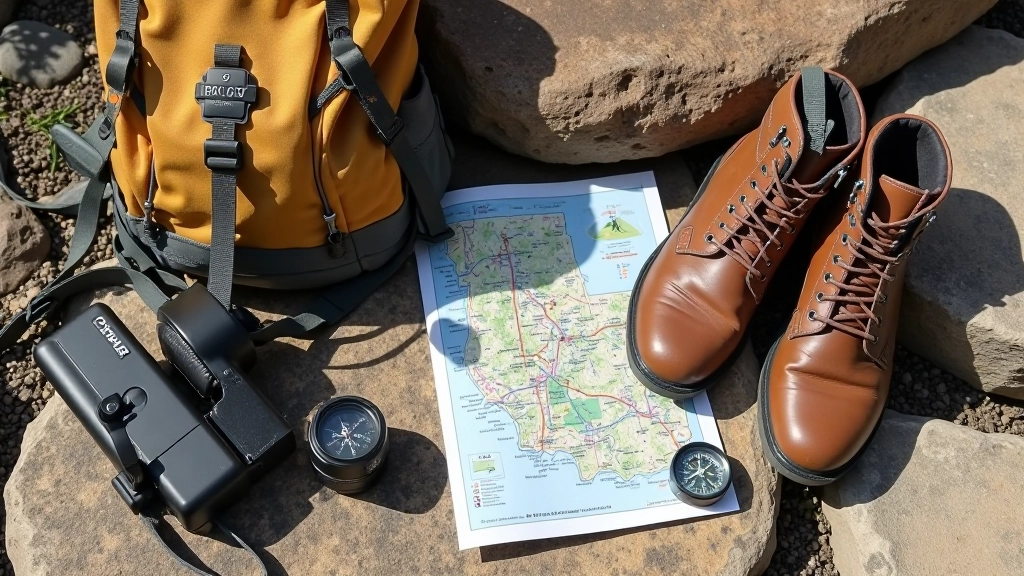
You'll be climbing, walking, sometimes scrambling over uneven surfaces. Here's what experienced hikers bring — and what they leave behind. Practical packing tips from our guides.
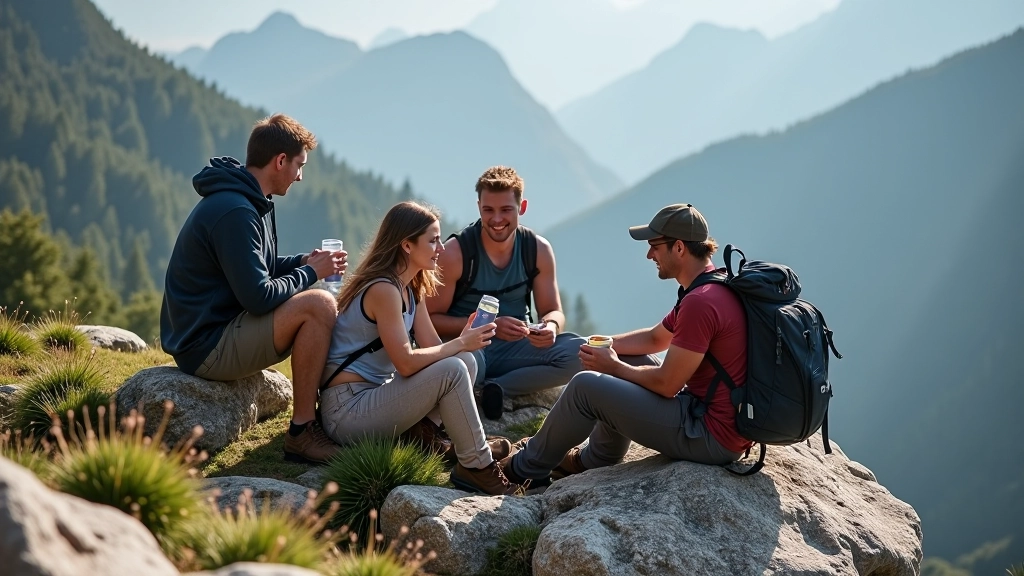
The sandstone labyrinth is beautiful but relentless. Learn how to pace a full-day hike, when to rest, how to manage energy levels, and how to avoid hitting a wall halfway through.
A simple process to get ready for your guided tour experience
Tours range from 2-hour introductions to full-day deep dives into the labyrinth. Consider your fitness level and how much time you have. Shorter routes cover highlights. Longer routes let you explore quieter passages.
Wear proper hiking boots with good grip — sandstone can be slippery when wet. Bring water, sun protection, and a light jacket for shaded areas between the rocks. We provide detailed packing lists based on your tour choice.
Guides arrive 15 minutes before tour start. They'll assess the group, adjust the route if needed, and explain what you'll see. They know alternative paths if weather or group fitness suggests a change.
Tours aren't rushed. You'll stop at viewpoints, learn about geology, and have time for photos. Guides point out details you'd miss alone — rock formations, natural passages, historical information about the area.
What makes guided tours different from exploring alone
The labyrinth is genuinely easy to get lost in. Passages loop back on themselves, and dead ends aren't marked. Our guides know the terrain — you won't spend time backtracking or wondering which way leads out.
The rocks aren't just pretty. You'll learn about geology, erosion patterns, and how humans have used this landscape. Guides share practical details — which rocks are stable, where water collects, historical uses of passages.
Photo tour guides know the best angles, the best times for light, and how to position yourself for dramatic shots. You'll leave with images you couldn't get on your own — and tips for your camera settings.
Guides adjust pace for the group. They spot hazards — loose rocks, slippery sections, exposed drops. If someone's struggling, the route adapts. You're not racing through. You're experiencing the labyrinth properly.