The Light Matters More Than You Think
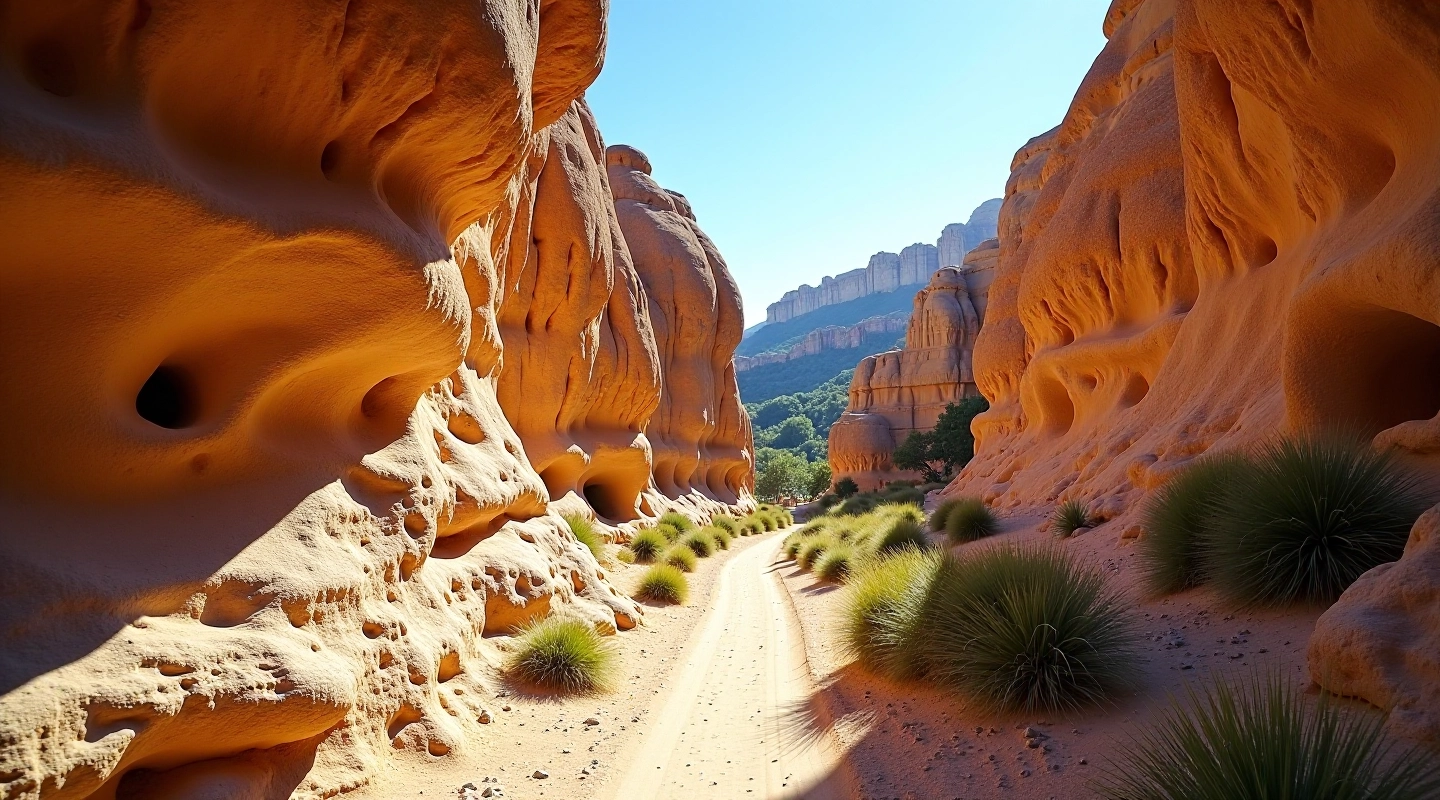
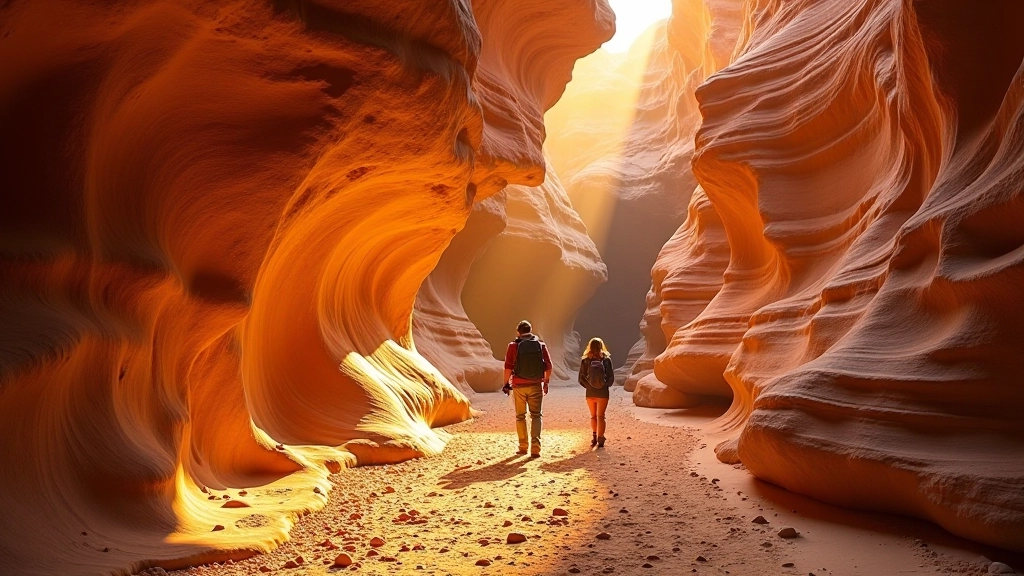
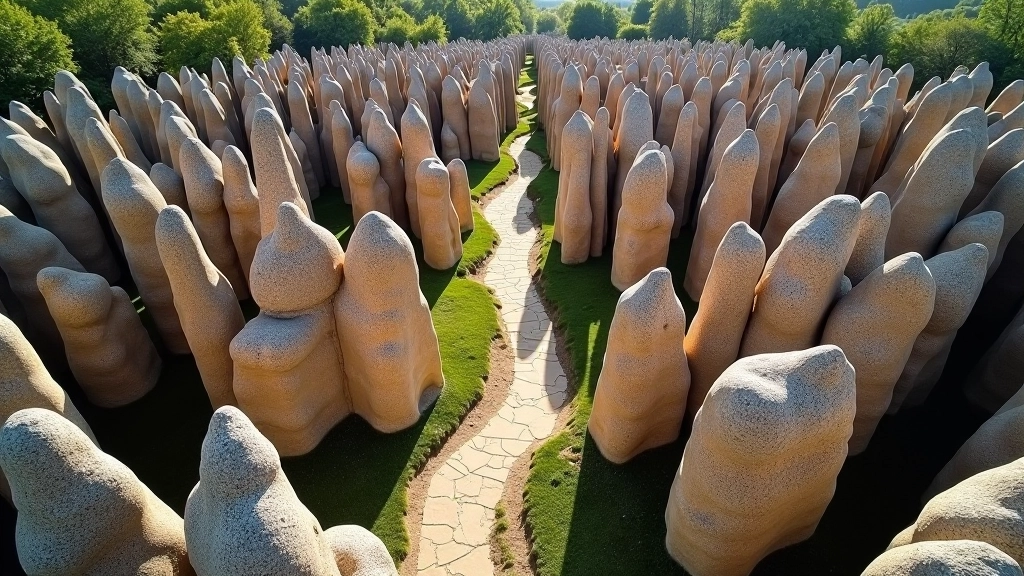
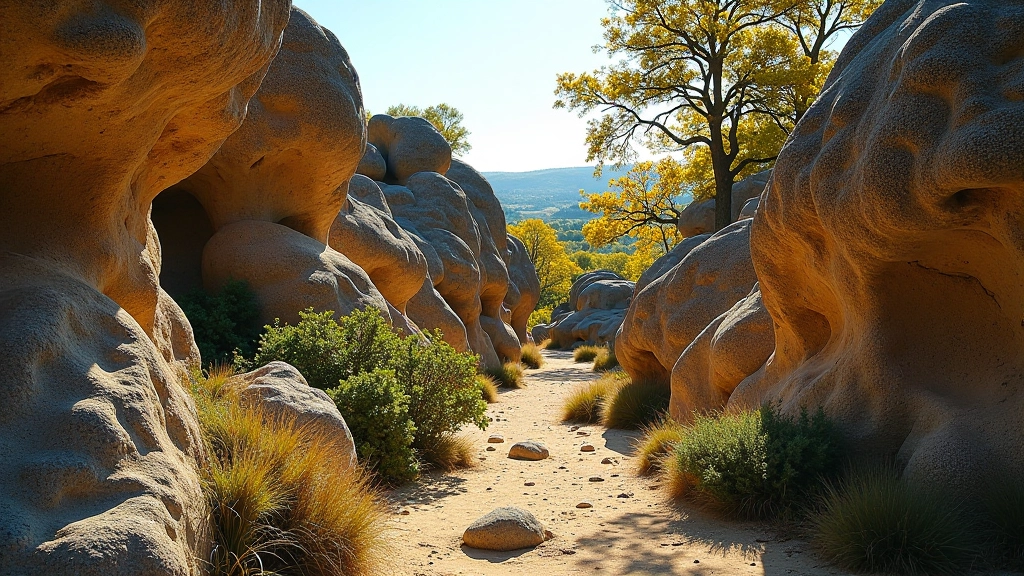
The labyrinth changes completely depending on when you visit. Golden hour transforms ordinary rock faces into something unforgettable. Midday sun washes everything out and creates harsh shadows. We've spent enough time here to know where you'll get the best shots, and it's not always where you'd expect.
This isn't about technical camera settings — it's about understanding the landscape and positioning yourself where the light does the heavy lifting. We share the spots our photo guides use most, the angles that actually work, and the timing that makes a real difference.
The Four Essential Spots
We've narrowed it down to four locations that genuinely deliver. Not because they're easy to reach — some aren't — but because they offer something different. Each one shows off a different aspect of the labyrinth.
1. The Narrow Gate (Úzká Brána)
This is where most people go, but there's a reason. The passage between two tall rock faces creates a natural frame. Shoot from ground level looking up to make the rocks tower over the pathway. Early morning works best here — sun hits the eastern face around 7 to 8 a.m., and the light is soft and even.
2. The Observation Platform (Rozhledna)
The elevated vantage point changes everything. You're shooting downward and outward across the whole formation. Late afternoon — around 4 to 5 p.m. — is when you'll catch the best light here. The sun angles from the west and illuminates multiple rock faces at once.
3. The Twin Towers (Dvojčata)
Two parallel rock formations create symmetry that photographs beautifully. Midday isn't usually good, but here it works. The sun is high enough that it lights both towers evenly without creating dark valleys between them. This is your bright, contrasty shot location.
4. The Hidden Alcove (Tajná Nika)
Takes a bit of scrambling to reach, but it's worth it. Narrow alcove with soft, diffused light even on bright days. Perfect for portraits with rock texture as backdrop. No harsh shadows, no blown-out highlights — just clean, even light. Visit anytime between 10 a.m. and 3 p.m.
Timing Changes Everything
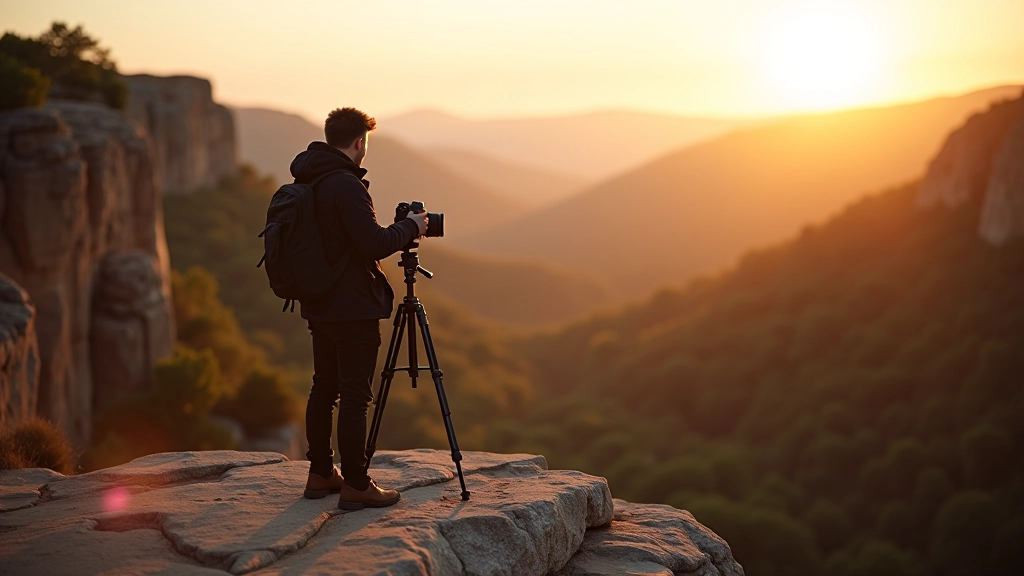
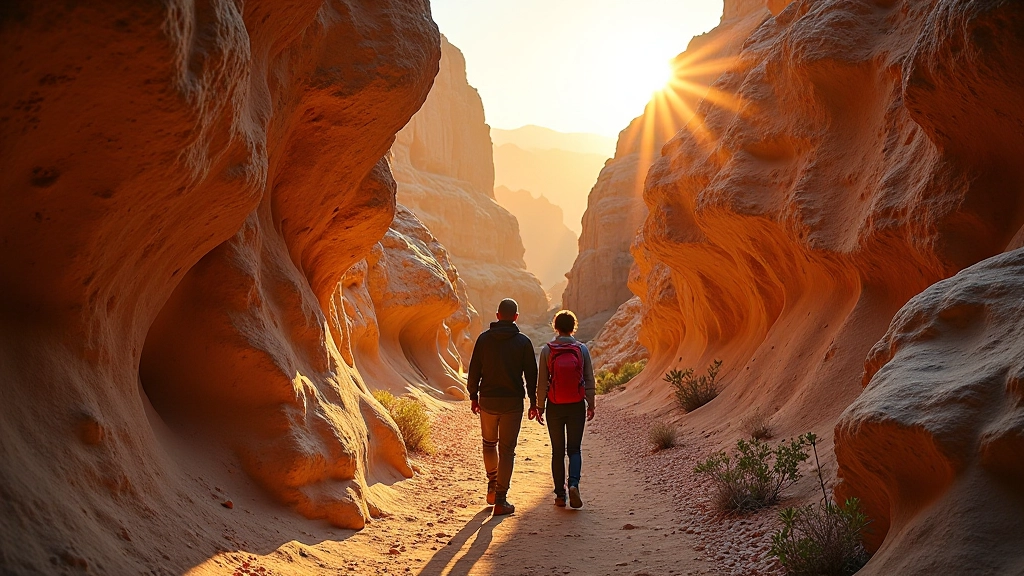
Golden hour isn't a myth — it's just how light works. An hour before sunset, the sun sits low and warm. Colors shift toward orange and amber. Shadows get longer and more dramatic. This is why photographers show up early and stay late.
Summer schedule (May to August): Golden hour starts around 6:30 p.m., lasts about 45 minutes. Morning light begins around 5:30 a.m. and works for 90 minutes.
Spring and fall shift everything earlier. Autumn is actually better than summer — lower angle sun means longer golden hour, and the colors are warmer anyway. Winter? Don't count on it. The sun barely climbs above the horizon. But if you do shoot in winter, the low angle is incredible for sidelighting and texture.
Cloud cover matters too. Overcast skies diffuse harsh light, which is why portraits work better on cloudy days. But landscape shots need some directional light to show depth and texture. Partly cloudy — where the sun breaks through occasional clouds — is honestly ideal. You get soft light and dramatic shadows simultaneously.
What Actually Works in Practice
We've seen people come with impressive gear and leave with flat, uninspired photos. We've also seen people with basic smartphones capture something genuinely memorable. The difference isn't the camera — it's position, light, and patience.
Scout the location first
Come back at a different time than when you plan to shoot. Understand how light moves across the rocks. Find the angles that appeal to you. Then come back during the light window you identified. Winging it rarely produces your best work.
Use foreground and background
Don't just shoot the big rock face. Include foreground — a person walking, wildflowers, moss-covered stones. It adds depth and scale. The labyrinth's detail is half its beauty.
Watch your exposure
Bright sandstone reflects a lot of light. Your camera might underexpose to compensate. Bracket your shots — take one at metered exposure, one slightly brighter, one slightly darker. You'll have options.
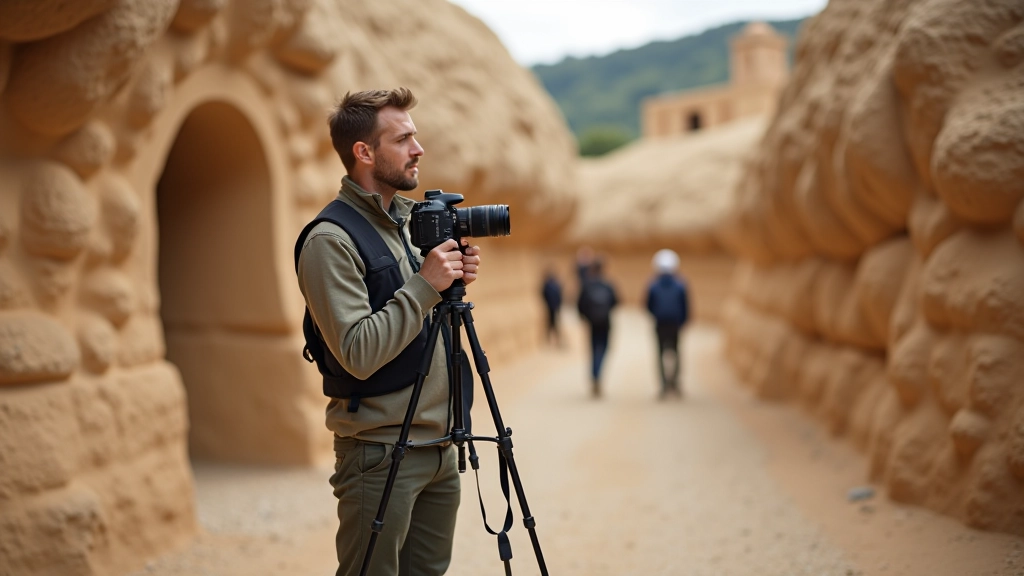
Bring a tripod if you can
Not for stability — you're handheld-capable. It's for composition. A tripod forces you to slow down, frame carefully, and actually think about your shot instead of just snapping and moving on.
Each Season Tells a Different Story
Spring brings wildflowers and fresh greenery. The rocks look alive against new growth. Moisture from rain creates moss textures. Light angles are still low enough for interesting shadows.
Summer is busy, crowded, and the light is harsh. But early mornings and late evenings are spectacular. Avoid midday unless you're specifically after high-contrast, punchy images.
Autumn is arguably the best season. Golden light, warm tones, lower sun angle, and fewer people. The colors in the sky are richer. Trees have that amber-orange foliage. This is when photographers get their best work.
Winter's low sun creates texture and dimension. Frost adds visual interest. But the season is short and unpredictable. You'll need good timing and probably some luck with weather.
The Real Secret Is Just Showing Up
You can read about light and composition all day. But the best photographers are the ones who actually visit these spots repeatedly. They learn how light moves. They develop an eye for the moment. They know which rocks glow at sunset and which pathways frame the best backgrounds.
Start with the four spots we've mentioned. Visit them during the light windows we suggested. Take your time. Look for small details — lichen patterns, water reflections, texture in the stone. Your best shot probably isn't the obvious one everyone takes. It's the one you'll find by exploring a little deeper.
Come prepared. Come during decent light. Come with patience. The labyrinth will give you something worth photographing.
Before You Go
Choose activities that match your fitness level. Check local conditions and trail status before you visit. Some spots require scrambling over uneven terrain. Wear appropriate footwear with good grip. If you have health concerns or haven't been active recently, speak with your doctor before starting a new activity.