
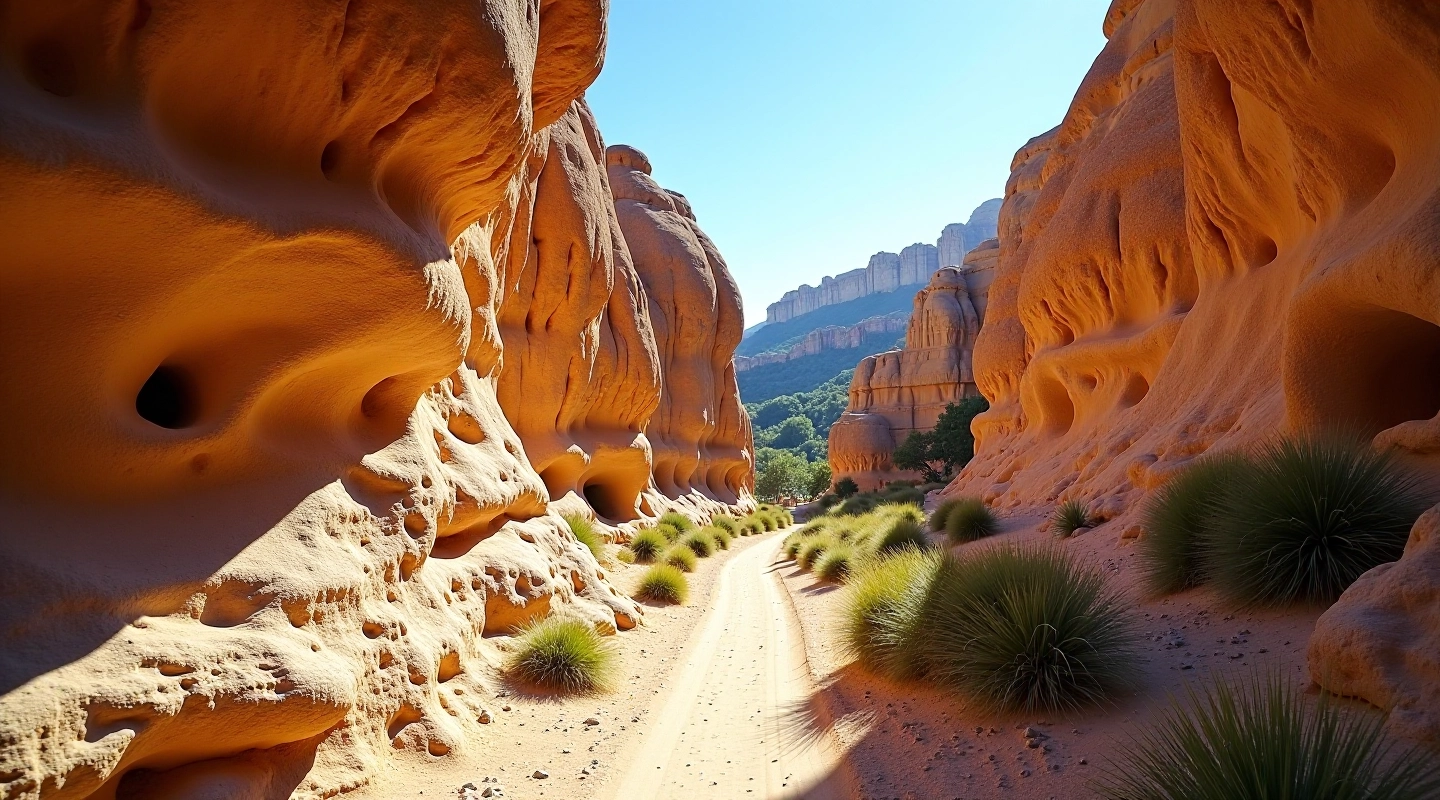
Understanding Sandstone Trail Difficulty
Not all trails in the labyrinth are the same. Learn how to read terrain difficulty and choose routes that match your experience level.
Read GuideThe sandstone labyrinth is beautiful but relentless. Learn how to pace a full-day hike, when to rest, how to manage energy levels, and how to avoid hitting a wall halfway through.

Most people underestimate how much energy a full day in the labyrinth demands. It's not just the elevation or the distance — it's the constant uneven terrain, the scrambling over rocks, the attention required to stay on route. You're not walking on a flat path. You're moving through a maze of stone.
A proper pace isn't about being fast. It's about knowing yourself, respecting the terrain, and arriving at the end with something left in the tank. That's the difference between a great day and a brutal one.
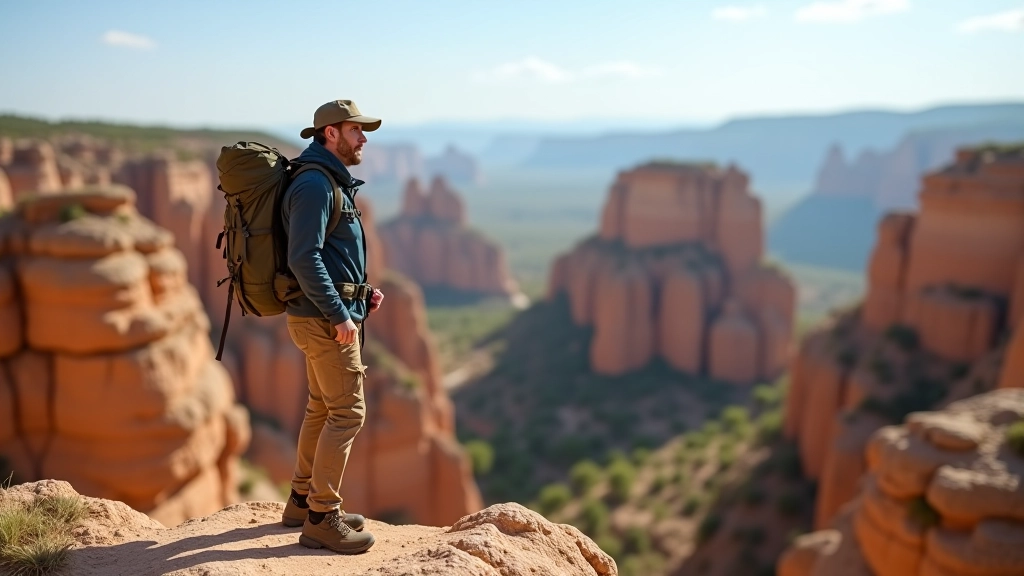
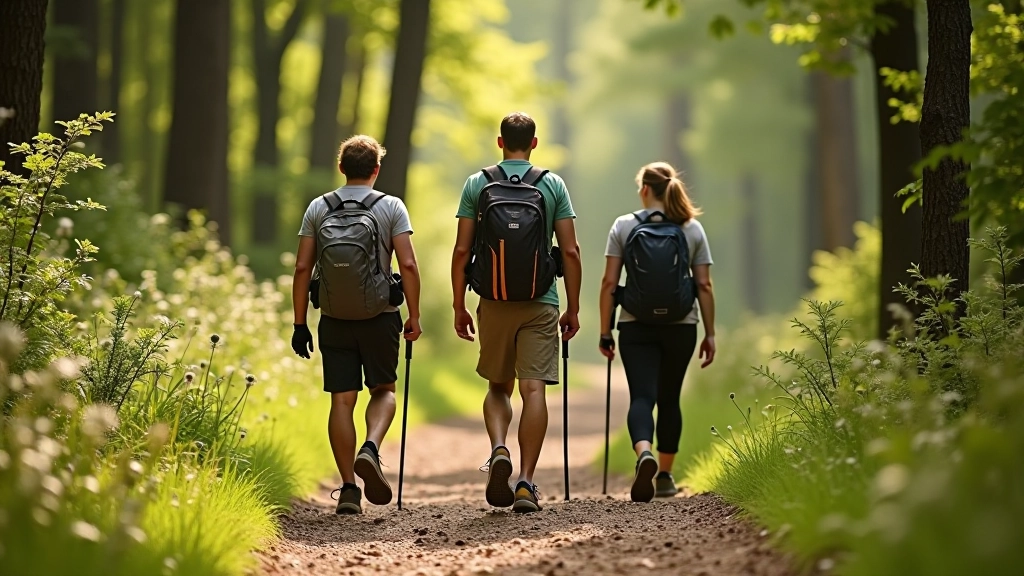
The first hour sets the tone. If you blast out fast, you'll burn through energy reserves before lunch. Instead, spend the first 45 minutes at a conversational pace — you should be able to talk but not sing. This warms up your muscles, lets your body adjust to the terrain, and gives you a realistic sense of what the day requires.
Most people settle into a natural rhythm after about an hour. You'll notice it — your breathing steadies, your feet find a pattern, and the route starts to feel less alien. That's your sustainable pace. Lock into it. Don't chase faster just because you feel good early on.
Rule of thumb: If you're breathing hard enough that you can't speak, you're going too fast. Slow down by 10-15%.
This is the critical mistake. Most people push until they're completely drained, then collapse for 30 minutes. That's reactive, not strategic. Instead, take short breaks every 45-60 minutes — before fatigue hits hard. A 10-minute stop to drink water, eat something small, and sit down makes an enormous difference in how you feel for the next stretch.
Bring easy snacks. Not a full meal — something you can eat quickly. A banana, a handful of nuts, an energy bar. Your body needs fuel to keep moving. A 10-minute break with water and a snack resets your energy more effectively than pushing through and stopping for a big lunch later.
By midday — around 2-3 hours in — take a proper lunch break. 20-30 minutes, something more substantial, shade if you can find it. Your legs will thank you for the recovery time.
Every person's fitness level is different. The pacing advice here works best when you choose routes that match your actual ability, not your ambition. Check local conditions before you go — weather changes fast in the rocks. And if you have any health concerns, it's worth talking to your GP before starting a new activity like this. Take care of yourself out there.
Halfway through the day, your mind starts playing tricks. The route feels endless. Your legs feel heavy. You wonder why you're doing this. That's normal. It doesn't mean you should quit — it means you need a strategy.
Break the day into smaller segments. Don't think "I have 4 more hours." Think "I need to reach that ridge, then take a break." Set mini-goals. Focus on the next 30 minutes, not the whole remaining distance. When you hit the tough stretch, remember: everyone feels it at the same point. You're not struggling alone. Your body is doing exactly what it should be doing.
The last 90 minutes are hardest. Your legs are tired, your motivation is worn thin. But you're close. Slow your pace even more if needed. The finish line doesn't care how fast you get there — only that you arrive safe and satisfied.
A successful full-day hike isn't about conquering the route or proving something to yourself. It's about moving through that beautiful, brutal landscape at a pace that lets you actually enjoy it. It's about noticing the light on the sandstone, taking a photo that captures what you're seeing, talking with your hiking partners, and arriving at the end feeling tired but fulfilled — not broken.
Respect the terrain. Respect your body. Build in time to rest, eat, and recover. And don't race against anyone but yourself. The labyrinth will still be there next weekend if you need to come back and finish what you started.
Continue your preparation for exploring the sandstone labyrinth
Not all trails in the labyrinth are the same. Learn how to read terrain difficulty and choose routes that match your experience level.
Read Guide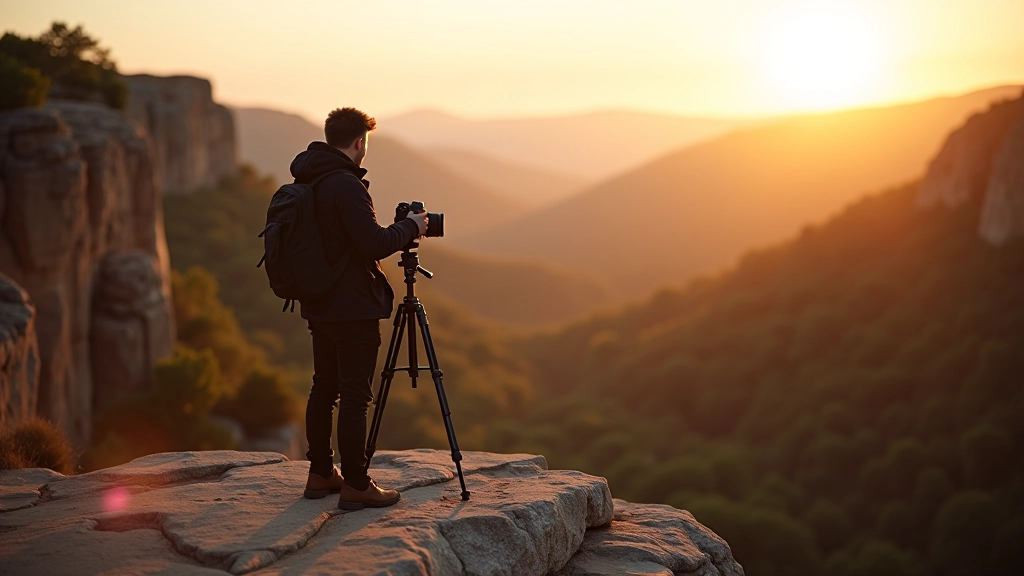
Where the light hits best, which angles show off the rock formations, and how to capture the scale of the sandstone.
Read Guide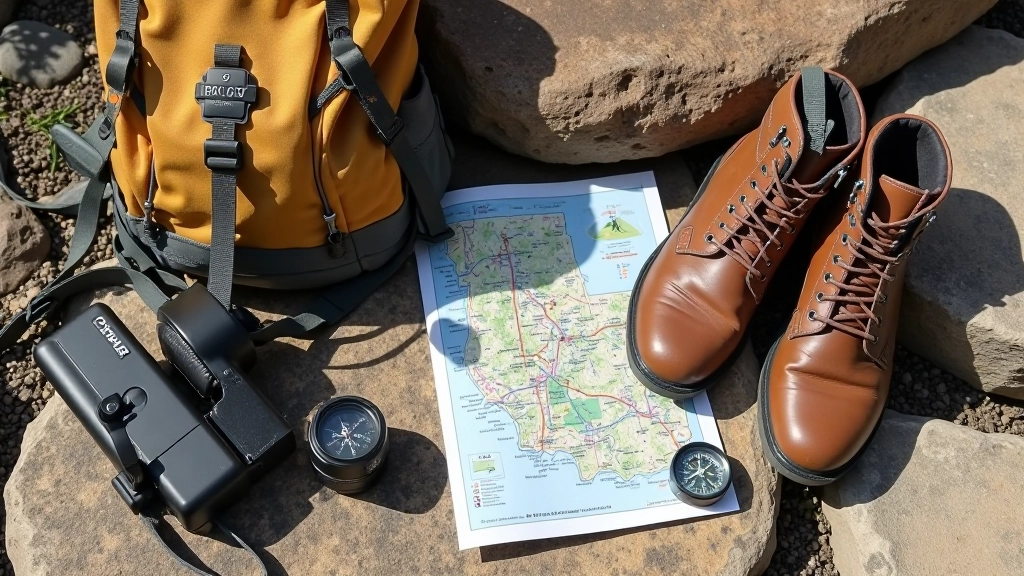
You'll be climbing, walking, sometimes scrambling over uneven surfaces. Here's what actually works and what you can leave at home.
Read Guide