
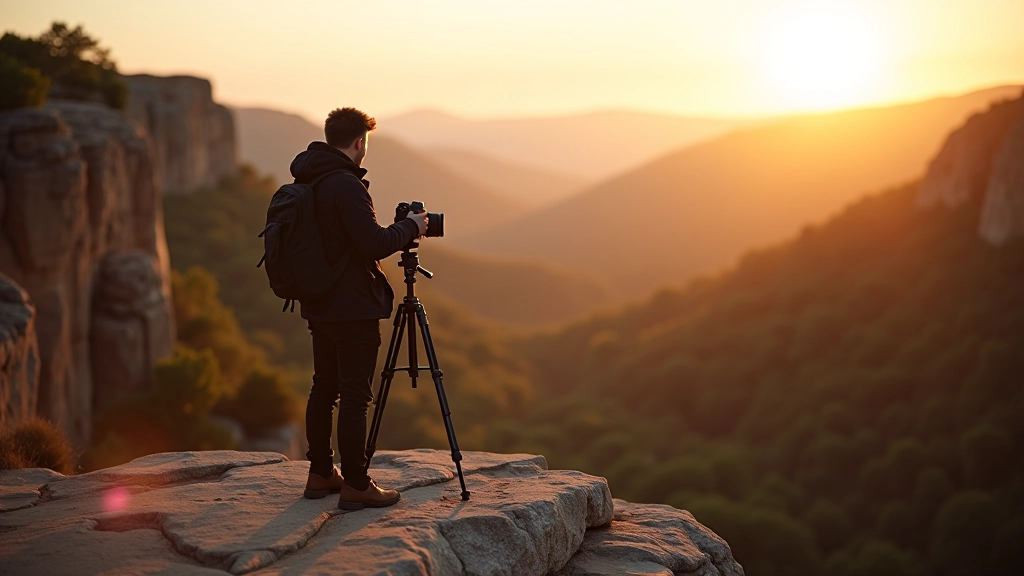
Best Photo Spots in the Labyrinth
Where the light hits best, which angles show off the rock formations, and how to capture the scale and drama of these landscapes.
Read GuideNot all trails in the labyrinth are the same. Learn how to read terrain difficulty, what to expect at each level, and how to choose a route that matches your fitness.
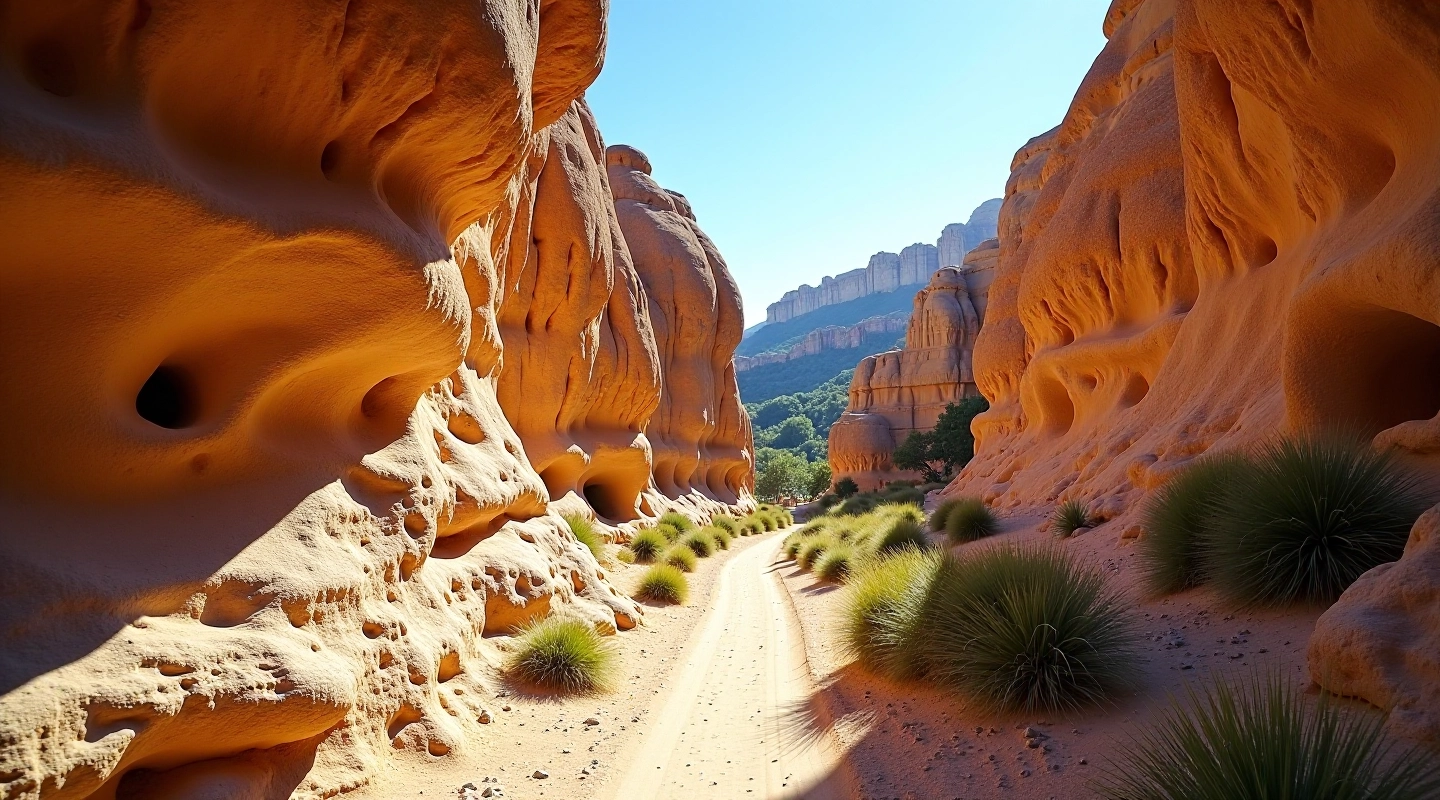
The Adršbelvedge labyrinth isn't one trail — it's a network of routes ranging from easy loops to serious scrambles. Some paths wind gently between the rocks with solid footing. Others require you to climb steep sections, navigate narrow passages, or pick your way across loose terrain.
Knowing what you're getting into matters. It's the difference between a pleasant afternoon walk and a frustrating, exhausting day. Plus, matching the route to your fitness level means you'll actually enjoy the experience instead of spending the second half of your hike just trying to finish.
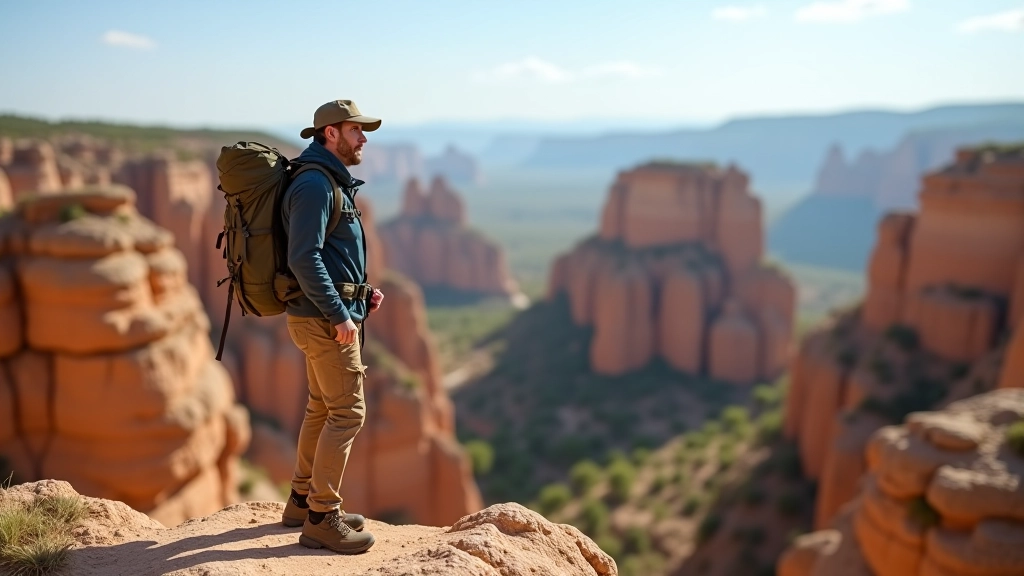
We've categorized the main routes to help you plan. Each level builds on the previous one.
Mostly flat or gently rolling terrain with well-defined paths. The rock walls tower around you but you're not scrambling or climbing. Surface is usually solid — packed earth or exposed bedrock with good grip. Perfect for families with kids, older hikers, or anyone wanting a leisurely pace.
This is where it gets interesting. You'll encounter short climbs, some uneven terrain, and maybe a few scrambles using hands and feet. The path isn't always obvious — you're navigating between rocks and sometimes choosing your route. You'll need decent fitness and comfortable hiking boots with ankle support.
These routes demand real fitness and scrambling skill. Steep climbs, exposed sections, tight passages between rocks, and loose terrain. You'll use your hands frequently and need good balance. The labyrinth reveals its serious side here. Only attempt if you're comfortable on steep terrain and have good leg strength.
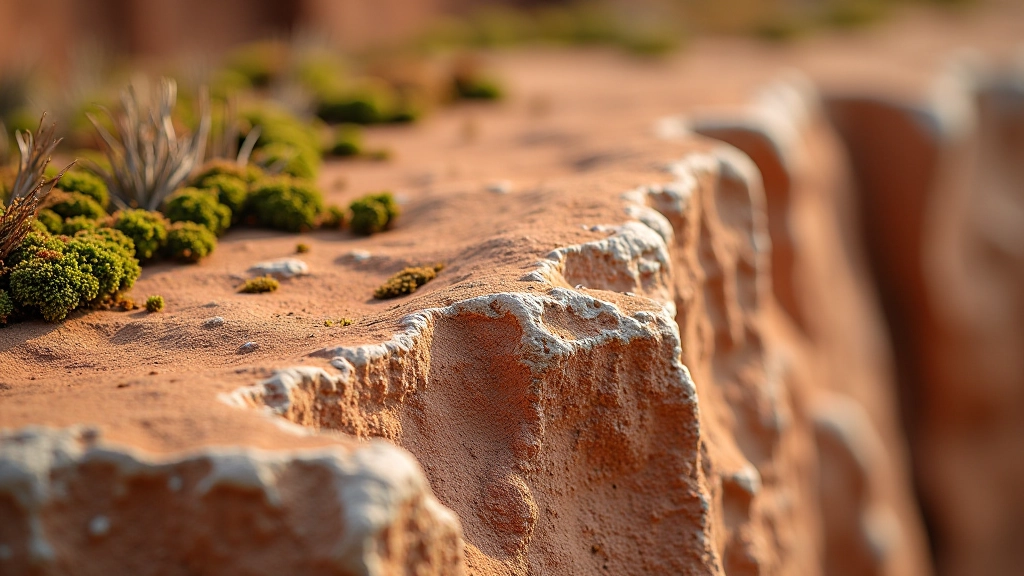
Before you commit to a route, spend a minute looking at the actual ground. The sandstone here behaves differently depending on how it's weathered. Some sections are smooth and stable. Others are crumbly or loose — particularly after rain when everything's slick.
Look for these signs:

This is crucial. Don't choose a route based on what you wish you could do — choose based on what you can actually do right now. A moderate route that's comfortable beats a challenging route where you're suffering the entire second half.
Ask yourself: How many hours can you hike comfortably? Can you climb stairs for 20 minutes without stopping? How's your balance on uneven ground? Are your knees stable when descending? These questions matter more than age or general fitness.
Choose Easy if: You hike occasionally, prefer flat terrain, or aren't sure about your fitness level.
Choose Moderate if: You hike regularly, climb hills without trouble, and want some challenge.
Choose Challenging if: You hike frequently, have strong legs and good balance, and aren't bothered by exposure or scrambling.
The same route feels completely different depending on conditions. An easy route becomes moderate after rain. A moderate route becomes serious when it's hot and you're dehydrated.
Difficulty increases by one level. That smooth sandstone becomes treacherous. Algae makes it even worse. Wear shoes with real grip. Move slowly and use your hands more.
Scrambling sections are harder because you're tired faster. Start early, bring plenty of water, and consider dropping down one difficulty level. The shade between the rocks helps, but you're still working harder in heat.
More people means slower progress, especially on scrambles where you're queuing to climb. Plan for extra time. Come early or mid-week if you prefer a quieter experience.
Beautiful but deceiving. Leaves hide loose rocks and uneven ground. Step carefully. It's easier to twist an ankle when the terrain is hidden.
Choose activities that match your fitness level. Check local conditions before travelling — weather and trail status can change. If you have health concerns or haven't exercised regularly, speak with your GP before starting a new activity. Bring water, wear proper footwear, and tell someone where you're going. The labyrinth is beautiful but demands respect.
The real secret to enjoying the Adršbelvedge labyrinth isn't pushing yourself to your limit. It's choosing a route that challenges you appropriately, then paying attention to the terrain beneath your feet and the rock walls around you. When you're comfortable with the difficulty, you can actually notice the details — the colors in the stone, the way light filters through gaps, the view that suddenly opens when you round a corner.
Start with a route that feels slightly easier than you think you can handle. You'll finish with energy left, which means you'll want to come back. That's when the labyrinth really reveals itself.
Deepen your preparation with these related articles
Where the light hits best, which angles show off the rock formations, and how to capture the scale and drama of these landscapes.
Read Guide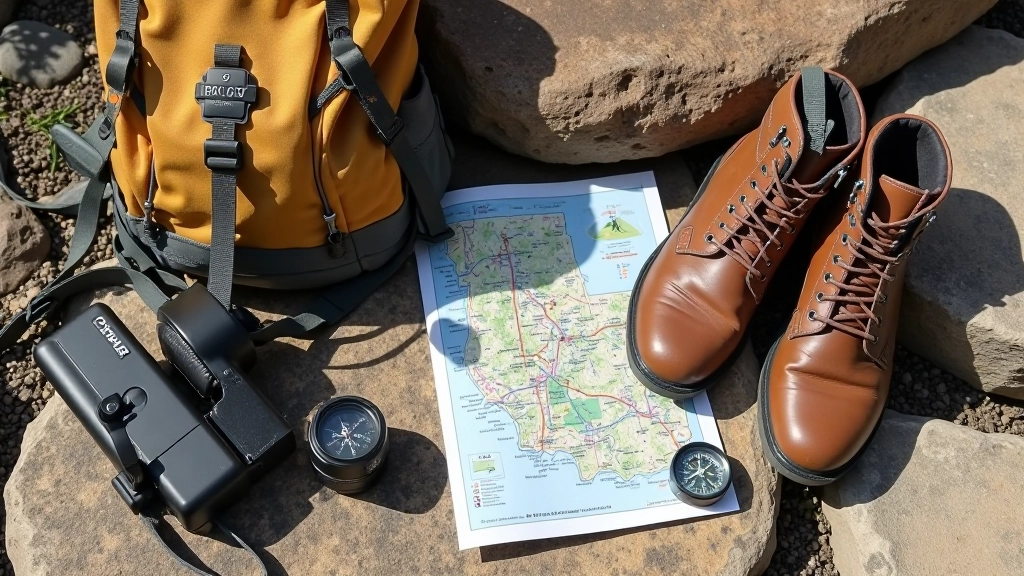
You'll be climbing, walking, sometimes scrambling over uneven surfaces. Here's what you actually need and why.
Read Guide
The sandstone labyrinth is beautiful but relentless. Learn how to pace a full-day hike so you finish strong.
Read Guide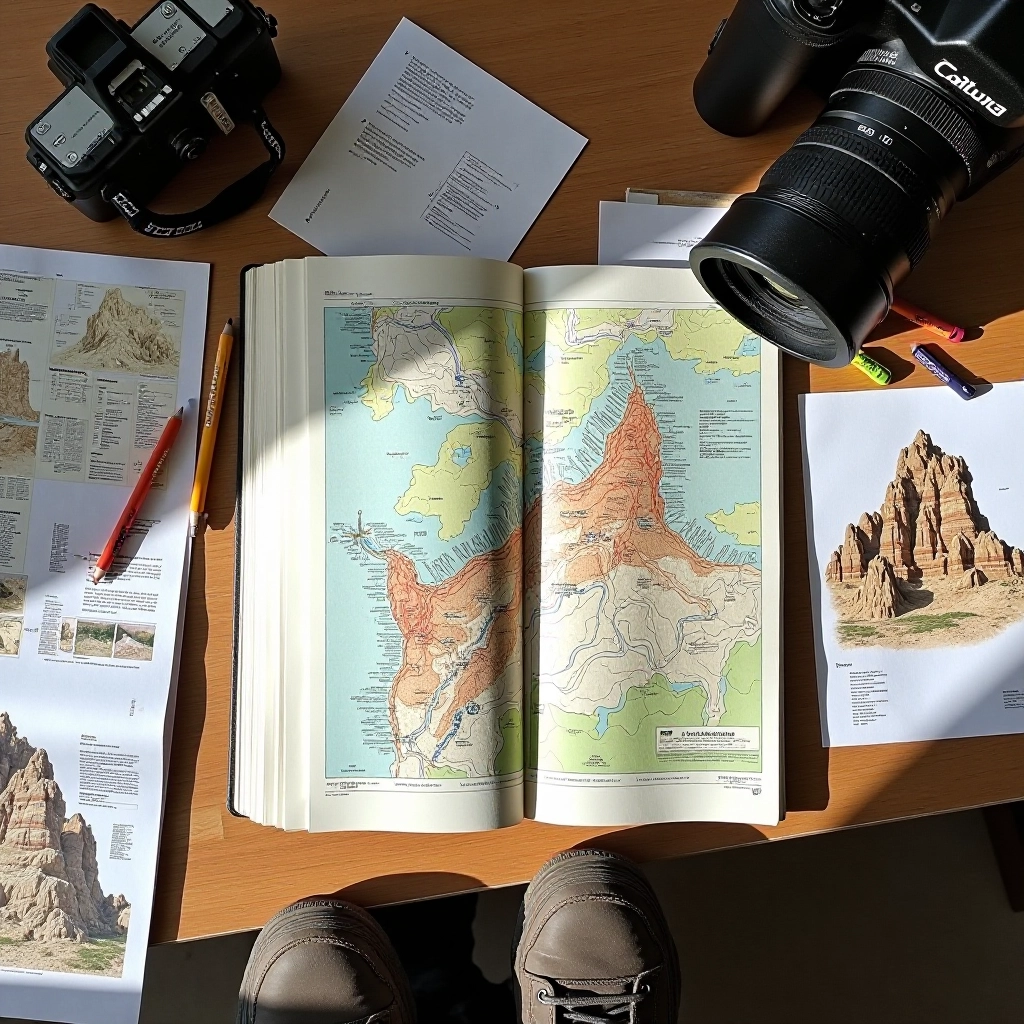
Author
Editorial Team
Written by the Adršbelvedge Editorial Team, focused on practical, honest guidance for hikers and photographers exploring the sandstone labyrinth.